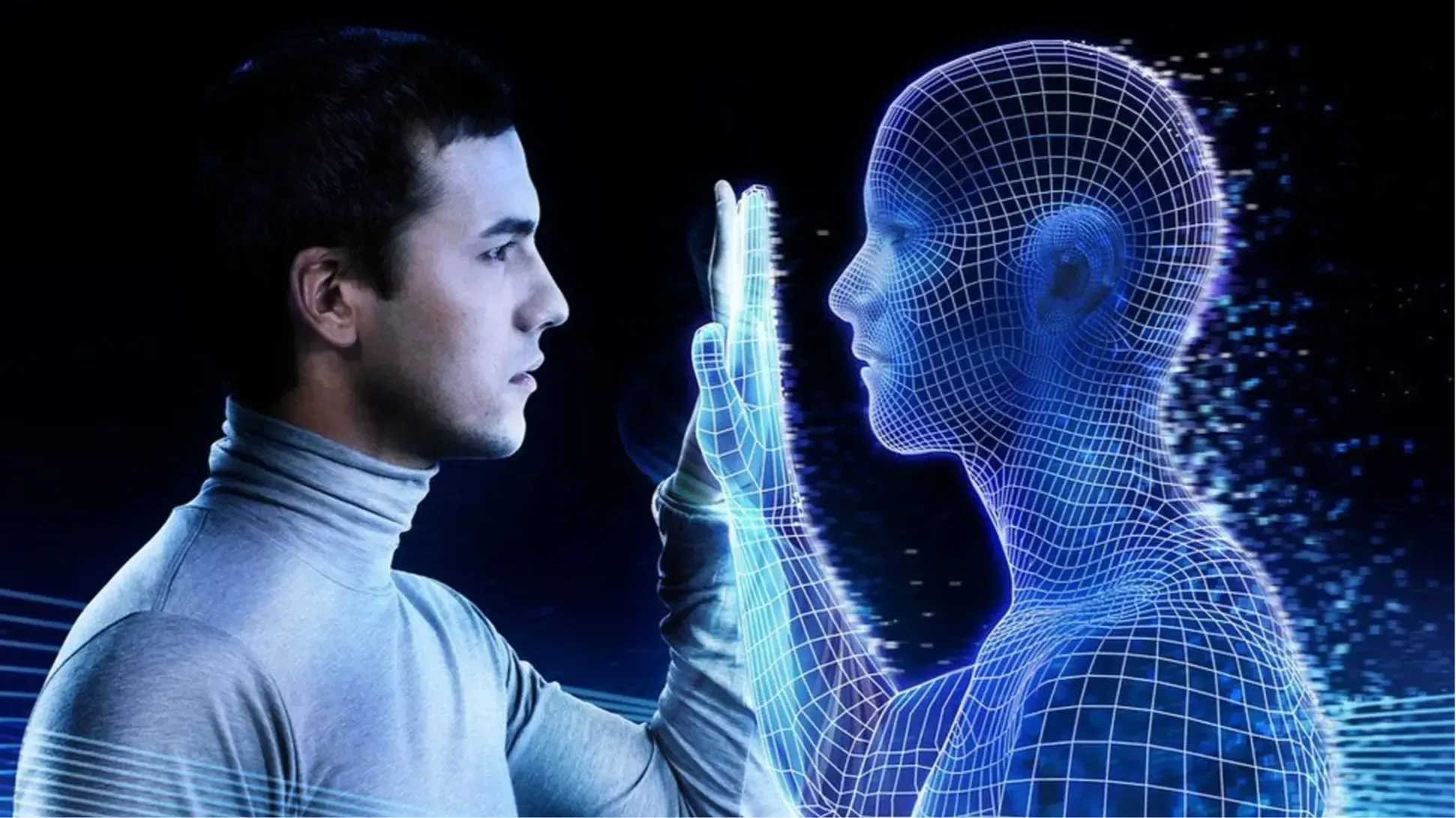
Digital Twins are quickly becoming one of the most exciting innovations in sports technology. Instead of relying only on traditional coaching methods, teams can now create a virtual replica of an athlete using real-time performance data. This digital model continuously updates with information collected from wearable sensors, GPS trackers, heart-rate monitors, biomechanics, and AI-powered analytics, allowing coaches to make smarter decisions based on accurate insights.
As elite sports become increasingly data-driven, digital twins have the potential to transform how athletes train, recover, and prepare for competition.
What Is a Digital Twin?
A digital twin is a virtual representation of a real athlete that mirrors physical performance in real time. It combines data from multiple sources to simulate how the body responds to different training loads, environmental conditions, and recovery strategies.
Unlike simple fitness trackers, a digital twin uses artificial intelligence and predictive models to recommend personalized improvements rather than simply recording statistics. Researchers describe digital twins as continuously synchronized virtual models that help predict performance and optimize decisions.
Personalized Training Like Never Before
Every athlete has unique strengths and weaknesses. Digital twins allow coaches to create training programs tailored specifically to each individual.
Instead of following identical workouts for an entire squad, players can receive customized sessions based on fatigue levels, workload, recovery speed, and movement patterns. This personalized approach helps athletes improve faster while reducing unnecessary physical stress.
Football clubs, cycling teams, and Olympic training centers are already exploring digital twin technology to fine-tune performance plans.
Injury Prevention Through Predictive Analytics
One of the biggest advantages of digital twins is injury prevention.
By monitoring workload, muscle fatigue, biomechanics, sleep quality, and recovery metrics, AI can identify warning signs before injuries occur. Coaches can reduce training intensity or modify exercises when the system predicts elevated injury risk.
Several sports science projects, including initiatives at FC Barcelona, are developing athlete digital twins to detect early risk signals and personalize training loads before problems become serious.
Better Match Preparation
Digital twins can also simulate match scenarios.
A football player could virtually prepare for facing a fast winger, while a tennis player might practice against an opponent’s serving patterns using AI-generated simulations. Coaches can test different tactical approaches without increasing physical fatigue.
These virtual simulations help athletes make quicker decisions when real competition begins.
Smarter Recovery and Load Management
Recovery is just as important as training.
Digital twins continuously evaluate recovery status using physiological data such as heart rate, sleep, hydration, and muscle performance. Coaches can determine whether an athlete is ready for high-intensity training or needs additional rest.
This balanced approach improves long-term performance while lowering the risk of overtraining.
The Role of Artificial Intelligence
Artificial intelligence powers every digital twin.
Machine learning algorithms analyze millions of data points to discover patterns that human coaches might overlook. The system continuously learns from new performance data, making future recommendations increasingly accurate.
As wearable technology becomes more advanced, AI-driven digital twins will become even more precise and accessible.
Challenges Ahead
Despite the exciting possibilities, digital twins still face several challenges.
Collecting high-quality data requires advanced sensors and reliable wearable devices. Privacy, cybersecurity, and athlete consent must also be carefully managed since large amounts of personal performance data are involved.
The cost of implementing these systems currently limits widespread adoption, although prices are expected to decrease as the technology matures.
The Future of Sports Training
The future of athlete development is becoming increasingly digital.
As artificial intelligence, wearable devices, cloud computing, and sports analytics continue to evolve, digital twins could become standard tools across professional and amateur sports. Athletes may soon receive real-time recommendations before every training session, helping them maximize performance while minimizing injury risk.
For more insights into sports technology, football analysis, and the latest industry trends, visit Notout Blogs.
Conclusion
Digital twins are reshaping the future of athlete training by combining artificial intelligence, wearable technology, and real-time analytics into a single intelligent system. From personalized training plans to injury prevention and tactical simulations, this technology offers coaches and athletes powerful new ways to improve performance.
While challenges such as cost and data privacy remain, digital twins are likely to become one of the defining innovations in sports science over the next decade.
FAQ
What is a digital twin in sports?
A digital twin is a virtual model of an athlete that continuously updates using real-world performance data to improve training and decision-making.
How do digital twins prevent injuries?
They analyze workload, movement patterns, recovery, and physiological data to detect injury risks before serious problems develop.
Which sports can benefit from digital twins?
Football, basketball, cycling, tennis, athletics, swimming, motorsports, and many other sports can benefit from digital twin technology.