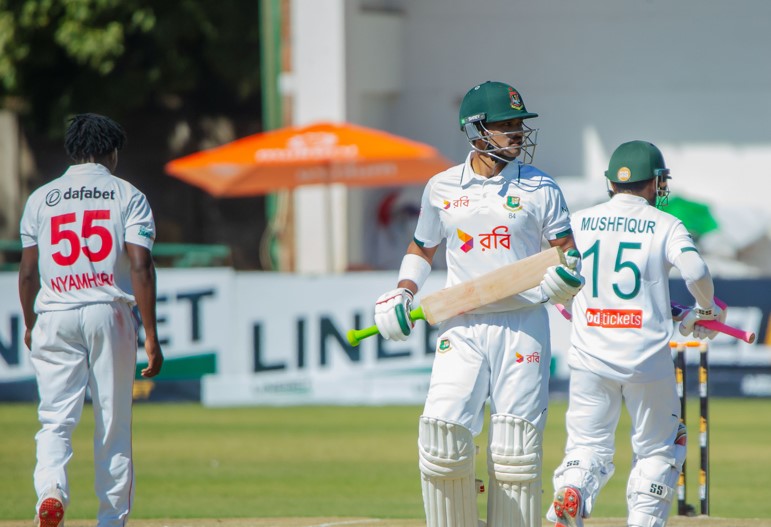
Bangladesh batting continues to produce moments of quality, but those moments rarely develop into sustained performances. One match brings a confident century or a strong partnership; the next brings a damaging collapse against a manageable target. This pattern has become one of the biggest obstacles preventing Bangladesh from progressing consistently in international cricket.
The recent ODI series in Zimbabwe provided another clear example. Bangladesh lost the opening match by 25 runs after being bowled out for only 116 while chasing 141. They then fell 13 runs short in the second ODI despite reaching a promising 122 for two during the chase. For additional updates and sports content, visit Notout Bd.
Bangladesh Batting Collapses Under Pressure
The biggest Bangladesh batting problem is not simply a lack of talent. It is the team’s repeated inability to manage pressure after losing one or two wickets.
Top IPL Betting Markets:
- Match Winner: Predict which team will win the match
- Top Batsman: Bet on the highest run-scorer in the match
- Total Runs: Over/under on total runs scored
- Tournament Winner: Long-term bet on the IPL champion
In the first ODI against Zimbabwe, Bangladesh’s bowlers had created an excellent opportunity. Nahid Rana took career-best figures of six for 21 as Zimbabwe were dismissed for 140. However, the batters failed to complete what should have been a controlled chase.
The second ODI followed a similar pattern. Tanzid Hasan and Towhid Hridoy scored half-centuries, but Bangladesh could not convert a strong position into victory. Once the partnership was broken, wickets fell regularly and the required run rate increased.
These collapses suggest that Bangladesh batting remains too dependent on individual contributions. When one set batter is dismissed, the next player often struggles to rebuild the innings.
1. An Unsettled Bangladesh Batting Order
Frequent changes to batting positions have made it difficult for players to understand their long-term roles. Openers are moved into the middle order, middle-order batters are asked to finish innings, and all-rounders are regularly used in different positions.
Litton Das was moved to No. 5 before the ODI series against Pakistan in March 2026. Head coach Phil Simmons explained that the middle order had become one of the team’s major weaknesses. At that point, Litton had also failed to reach double figures in his previous eight ODI innings.
Changing the order can solve short-term problems, but constant movement creates uncertainty. Bangladesh need to identify which players can anchor an innings, attack during the middle overs and finish under pressure.
Our analysis of Bangladesh’s current ODI squad explains how each player could fit into a more balanced batting order.
2. The Middle-Order Consistency Problem
Bangladesh batting often loses momentum between overs 20 and 40. The team may survive the opening spell, but it frequently struggles to rotate the strike, build partnerships and accelerate without taking unnecessary risks.
Simmons admitted in April that Bangladesh had considerable room for improvement throughout the order. He also noted that many players bat near the top in domestic cricket but are later expected to perform unfamiliar middle-order roles internationally.
A successful middle order must adapt to several situations. It may need to rebuild after early wickets, maintain momentum after a strong start or attack during the final ten overs. Bangladesh have rarely found players who can perform all three roles consistently.
3. Domestic Cricket Is Not Providing Enough Preparation
Another Bangladesh batting concern begins below international level. Domestic batters are not always exposed to high-quality bowling, demanding pitches or sustained pressure.
Bangladesh Tigers coach Sohel Islam previously argued that consistency must become a habit in domestic cricket. He explained that one or two major scores can attract significant attention, while players are not always challenged to repeat those performances across multiple matches.
The quality of domestic bowling is also important. Batters who rarely face strong pace attacks or disciplined bowling units may struggle when they encounter international-level movement, bounce and accuracy.
The future of Bangladesh domestic cricket will therefore have a major influence on whether the national team can produce more reliable batters.
4. Poor Shot Selection at Critical Moments
Technical weaknesses are only part of the issue. Bangladesh batting collapses are frequently caused by avoidable decisions.
Set batters sometimes attempt aggressive shots immediately after a wicket. Others attack deliveries that should be defended or fail to adjust when the pitch demands patience. These mistakes are especially costly during run chases because every wicket increases pressure on the remaining players.
Game awareness must become a central part of batting development. Players should understand when to absorb pressure, when to rotate the strike and when the match situation allows them to attack.
5. Individual Success Must Become Team Consistency
Bangladesh demonstrated their potential in the final ODI against Zimbabwe. Tanzid scored 94 and shared a 151-run opening partnership with Soumya Sarkar as Bangladesh chased 200 with 84 balls remaining.
That seven-wicket victory showed what the batting unit can achieve when players build a substantial partnership and remain committed to the chase. However, it was only a consolation win because Zimbabwe had already secured the series.
One dominant performance cannot erase two damaging defeats. Bangladesh batting must produce similar discipline across an entire series rather than waiting until the result has already been decided.
How Bangladesh Batting Can Improve
Bangladesh need a stable batting order with clearly defined roles. Selection should reward repeated performances rather than isolated scores, while domestic competitions must expose players to stronger bowling and more challenging conditions.
The coaching staff should also focus on scenario-based training. Batters need regular practice in rebuilding from early wickets, chasing modest totals and scoring quickly during the final overs.
Mental preparation is equally important. Players must learn to remain calm after losing a partner and avoid allowing one wicket to become a full collapse.
Conclusion
Bangladesh batting has enough natural ability to compete with strong international teams. The problem is turning that ability into dependable performances across matches, formats and conditions.
The victories and individual innings will continue to provide hope. Real progress, however, will come only when partnerships, decision-making and role clarity become normal rather than occasional. Until then, batting inconsistency will remain Bangladesh cricket’s most frustrating weakness.
Frequently Asked Questions
Why is Bangladesh batting inconsistent?
The main causes include an unsettled batting order, weak middle-order partnerships, poor shot selection and limited preparation for international conditions.
What happened in the Zimbabwe ODI series?
Bangladesh lost the first two ODIs after batting collapses before winning the final match by seven wickets. Zimbabwe won the series 2-1.
How can Bangladesh improve its batting?
Bangladesh need stable player roles, stronger domestic competition, scenario-based training and greater emphasis on building long partnerships.